Political analyst: Saudi-Emirati Coalition Has Unraveled Due to Yemeni Steadfastness; Proxy Conflicts to Persist Without Resolution
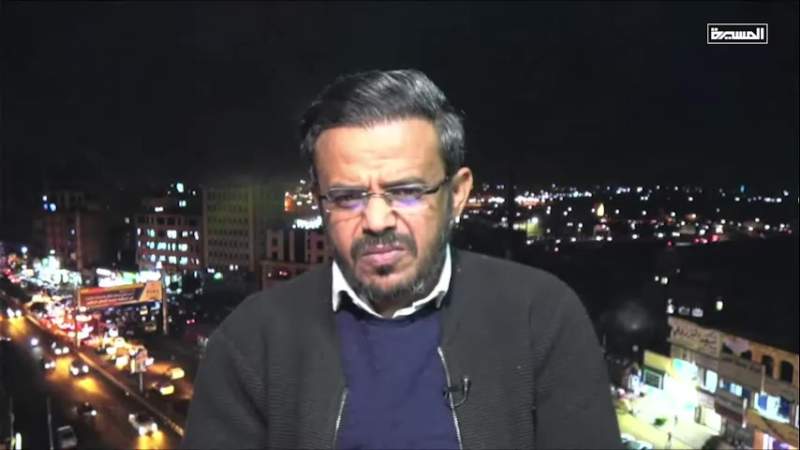
News - Yemen: Political analyst and Editor-in-Chief of Almasirah TV, Talib Al-Hassani, said the Saudi-Emirati coalition has effectively disintegrated as a result of Yemeni steadfastness, noting that conflicts among the coalition’s proxies will continue without a decisive outcome.
In remarks on Saturday, Al-Hassani explained that Saudi Arabia had sought for years to preserve its alliance with the UAE, despite the coalition beginning to fracture as early as 2018–2019 following the first direct clashes between their respective proxies.
He noted that Riyadh was aware that Abu Dhabi had come to dominate key forces within the coalition formed by Saudi Arabia and was steering its course and outcomes.
Al-Hassani stressed that the most significant development today is not the details of field confrontations, but the collapse of the Saudi-Emirati coalition itself and the disintegration of their proxy alliances.
He described the current confrontations as major clashes that some forces had not anticipated reaching this scale, adding that the UAE managed the scene in its latest phase.
He said Saudi Arabia will be unable to control the entire region through airstrikes or through "Homeland Shield” forces, prompting Riyadh to shift toward political co-optation via calls for a so-called “Southern Dialogue,” similar to earlier initiatives it claimed to pursue at the national level.
Al-Hassani noted that some figures may shift alignment from the UAE toward Saudi Arabia, but emphasized that such moves would not alter the overall balance of the conflict. He affirmed that the region will remain an arena of conflict without resolution for any party, including Saudi Arabia.
He warned that the primary victims of these conflicts are civilians in the occupied southern and eastern governorates, pointing out that years of Saudi-Emirati aggression have led to the collapse of the economic system, with humanitarian suffering likely to worsen, particularly amid Saudi control over crossings.
Al-Hassani cited indications of control over Aden Airport, an attack targeting Seiyun Airport, and control of ports, warning that what Saudi Arabia describes as “sanctions” will primarily impact civilians, as has occurred across various Yemeni governorates.
He added that the overall scene is unlikely to change significantly, even if battlefield dynamics shift, as the core outcome remains the major fragmentation and the move toward a broad confrontation—current developments being mere repercussions of deeper rifts within the coalition.
Al-Hassani pointed to growing divergences among coalition components, noting that the United States and Britain are monitoring timing and have pushed to unify these groups against Sana’a—an approach pursued by Washington and implemented directly by London through meetings with mercenary tools in Saudi Arabia and recent field movements, including visits to Aden.
He stressed that the mercenary components working with the coalition were never cohesive, and that the current conflict stems from this inherently fragmented structure rather than recent developments. He added that the Saudi-Emirati rift did not divide these components; rather, their disparities produced the conflict from the outset.
Al-Hassani said the United States and the Israeli enemy entity are currently focused on preventing infighting, viewing it as contrary to their interests at this stage, as they sought continued pressure against Sana’a.
He added that future attempts may aim to “re-mold” these areas, similar to the Syrian model with multiple armed groups.
He concluded that the current situation reflects the failure of the campaign from its inception, noting that Riyadh had expected a swift outcome and limited regional partners’ roles.
He added that US and British-backed structures formed in 2011–2012 failed to endure, and that the persistence of certain factions is tied to the coalition’s failure and the success of Ansarullah, their allies, and the Sana’a-based government in thwarting these plans.
Recent weeks have seen growing clashes and political rifts among Saudi- and Emirati-backed factions in southern and eastern Yemen, including battles over airports, ports, and key crossings. Competition between Riyadh and Abu Dhabi over Aden, Hadramout, and Al-Mahrah has intensified, while Saudi efforts to restructure local proxies through “Southern Dialogue” initiatives have deepened divisions.
The coalition’s failure to achieve gains against Sana’a has exposed its fragility, with US and British efforts focused on keeping the factions aligned. Civilians in the occupied governorates continue to suffer the consequences of escalating instability and economic collapse.
#Yemen #Hadramout #Occupied Southern Governorates about week-
10:01
Qalibaf:Iranian nation will deal strong blow to those behind recent riots, fomenting unrest in country
10:00
Qalibaf: Security is a key element to economic growth, stability
09:59
Iran's Parliament Speaker Qalibaf: We accuse US, Israel of supporting recent riots, forming unrest across country
08:38
Somali defense minister: Israel is planning the forced displacement of Palestinians to “Somaliland”
08:38
Palestinian sources: Israeli enemy launches airstrikes on areas of its forces’ deployment east of Rafah, Khan Younis, and Al-Bureij camp in central Gaza