Eilat’s Bankruptcy: How Yemen’s Naval Blockade Struck the Zionist Trade Lifeline
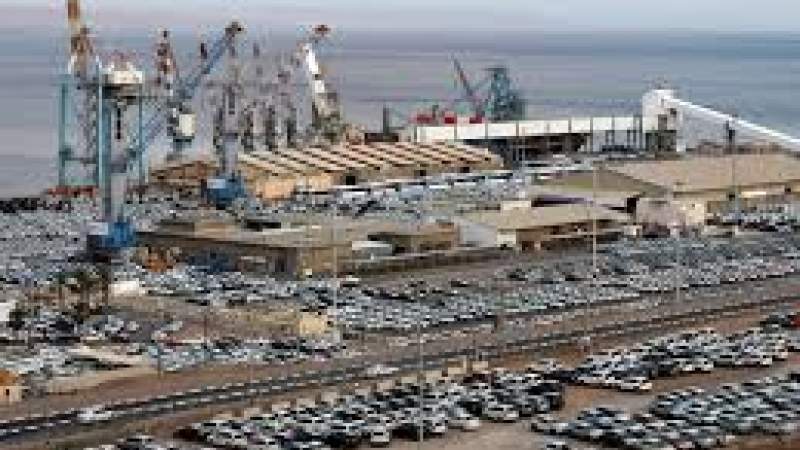
Middle East: Umm al-Rashrash, known by Zionists as the port of Eilat in occupied Palestine on the Red Sea, has long been one of the most vital economic facilities for the Israeli enemy’s economy. The port served as a strategic gateway for trade with Asia and Africa without passing through the Suez Canal. However, this strategic location has undergone a profound economic shift in recent years, as a series of Yemeni naval military operations in the Red Sea and Bab al-Mandab Strait have paralyzed commercial shipping activity, sharply reduced revenues, and ultimately led to the port’s closure.
According to Hebrew data, the port of “Eilat” received around 134 vessels annually in 2023 and handled imports of approximately 150,000 vehicles, representing the bulk of car imports into occupied Palestine. By 2024, the number of ships docking at the port fell to just 16, dropping further to only six vessels by mid-2025.
This severe decline in port activity resulted in an estimated 80 percent collapse in revenues, falling from 212 million shekels in 2023 to about 42 million shekels in 2024, according to economic newspapers affiliated with the entity.
Official statistics from the temporary entity provide practical evidence of the impact of Yemeni operations on the core of Zionist trade. The Israeli enemy’s emergency authority announced—based on official data—that the commercial closure of the port of Eilat came as a direct result of financial deterioration and the loss of revenues due to reduced ship traffic and shipping companies’ inability to navigate traditional maritime routes to the port.
In July 2025, all commercial operations ceased, and the port’s bank accounts were frozen due to accumulated debts of at least 10 million shekels. This led to an official decision to shut down the port, in what are considered serious indicators confirming the effectiveness of Yemeni operations in support of Gaza and their significant impact on the Israeli enemy.
These developments came amid escalating security tensions in the Red Sea, after Yemeni forces announced the reimposition of a naval blockade on vessels heading to Zionist ports in support of Gaza and in response to Israeli enemy practices in the Strip. This prompted many global shipping companies to reroute around the Cape of Good Hope in Africa to avoid risks, despite higher costs and delivery delays, turning Umm al-Rashrash into a symbol of the Zionist economic and security system’s failure to restart operations during its brutal aggression on Gaza.
Revenue Collapse and Mounting Debt: The Numbers Speak
According to Hebrew economic media, "Eilat" port’s total annual revenues declined from 212 million shekels in 2023 to just 42 million shekels in 2024—an approximate 80 percent contraction compared to the previous year. This illustrates the scale of material losses inflicted on the port due to the naval blockade and repeated security threats to commercial vessels.
Maritime sources within the Zionist entity reported that debts and financial obligations accumulated alongside the revenue collapse, including local tax debts exceeding 10 million shekels. This prompted the municipality of Eilat to freeze the port’s bank accounts due to its inability to meet obligations, leading the port’s management to officially announce a halt to operations effective 20 July 2025.
Despite repeated attempts by the entity to provide emergency grants worth 15 million shekels, these measures failed to revive commercial activity, indicating that losses far exceeded what temporary support could offset or sustain at pre-crisis levels.
In parallel, maritime statistics and conflict-monitoring centers indicate that from November 2023 through mid-2025, the Yemeni armed forces carried out more than 110 separate attacks on commercial vessels transiting the Red Sea and Bab al-Mandab. These operations particularly targeted ships linked to Zionist ports or those forming part of supply chains to the Israeli enemy.
The attacks included cruise missiles, armed drones, remotely operated attack boats, and direct naval interventions against vessels heading toward the port, generating fear and disrupting commercial traffic along maritime corridors serving the Zionist entity.
According to these assessments, the majority of operations targeted vessels with direct or indirect links to Israeli fleets, or ships flying the flags of allied Western states—most notably the US and the UK—within the framework of Yemen’s ongoing naval operations in support of Gaza and efforts to restrict imports destined for the occupying entity.
Additionally, an independent report indicated that Yemeni operations went beyond missile and drone launches to include sinking operations and direct threats to cargo ships. Concentrated attacks in July 2025 led to the sinking of two commercial vessels in the Red Sea that were en route to ports connected to occupied Palestine, marking a qualitative escalation in naval tactics.
While figures vary by source, all confirm that the pace of Yemeni military operations in support of Gaza intensified throughout 2024 and 2025. This significantly reduced global shipping companies’ willingness to transit the strait and routes leading to Umm al-Rashrash, pushing many to reroute global maritime trade around the African continent, increasing both transit time and economic costs.
Yemeni Naval Pressure and Its Strategic Economic Impact
These data reflect that Yemeni naval operations have been conducted under a structured strategy aimed at supporting the Palestinian cause in Gaza and undermining the Zionist economy’s reliance on traditional maritime routes. The operations exerted direct economic pressure on Umm al-Rashrash port, forcing it into financial collapse and operational shutdown as a key commercial outlet.
Reports indicate that heightened risks compelled some shipping companies to divert via the Cape of Good Hope, adding approximately two to four weeks to delivery times and increasing operating costs by hundreds of thousands of dollars per vessel.
With the sharp decline in activity, port management began placing employees on unpaid leave and downsizing the workforce. The halt in imports and exports through the port also led to layoffs among logistics workers connected to its operations. Hebrew media have cited these economic and social repercussions as evidence of the Israeli economic system’s inability to preserve jobs and port-related activities amid sustained maritime security pressure.
Overall, the decline and bankruptcy of Umm al-Rashrash port can be characterized as a practical indicator of the effectiveness of Yemen’s naval confrontation in support of the Palestinian cause, striking a major commercial artery of the Israeli enemy’s economy.
According to available data—and as acknowledged by Hebrew sources—the collapse in revenues and sharp reduction in vessel traffic underscore the success of naval pressure in disabling a strategic Red Sea gateway that once served as a primary trade outlet.
Translated by Almasirah English website
-
08:24
Iran’s UN mission: US, Israel bear legal responsibility for resulting loss of civilian lives
08:21
Palestinian sources: Israeli enemy aircraft launch a series of airstrikes on western Rafah in southern Gaza
08:21
Palestinian sources: Israeli enemy forces arrest more than 13 people during an ongoing raid on Qabatiya, south of Jenin in the northern West Bank
08:20
Gaza Government Media Office: 24 martyrs among displaced people in forced shelter camps due to building collapses
08:20
UNICEF: More than 100 children have been killed in the Gaza Strip since the ceasefire